Myths surrounding gambling Unraveling the truths behind common misconceptions
Understanding the Nature of Luck in Gambling
One of the most pervasive myths surrounding gambling is the belief that luck is a constant factor. Many people think that if they can just find the right strategy or technique, they can consistently win. In reality, while luck does play a role in short-term outcomes, gambling is primarily based on probabilities and odds. Every game has a built-in house edge, which means that in the long run, the casino or gambling operator will always have an advantage. For those interested in gaming, exploring real money casinos can offer insights into how luck and strategy interact in various games.
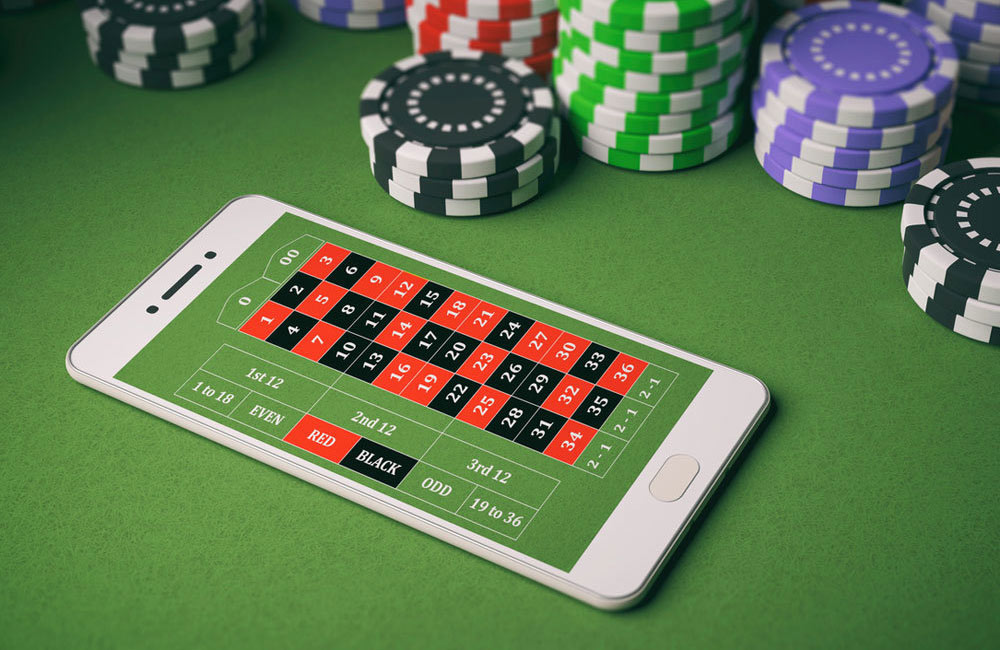
This misconception leads many to chase losses or become overly invested in their ability to “beat the system.” Understanding that gambling should be viewed as entertainment rather than a reliable source of income is crucial. By recognizing the role of luck and the mathematical realities of games, players can make more informed decisions and engage in gambling responsibly.
Myth of the “Gambler’s Fallacy”
The gambler’s fallacy is the belief that past events influence future outcomes in games of chance. For instance, if a roulette wheel has landed on red several times in a row, some players might mistakenly believe that black is “due” to come up. This flawed reasoning ignores the fact that each spin of the wheel is independent of previous spins. The odds remain the same regardless of what has happened before.
Understanding the independence of random events is essential for anyone engaging in gambling activities. This myth can lead players to make poor decisions based on a false sense of predictability. By educating themselves about the nature of randomness in gambling, players can avoid falling into this trap and maintain a healthier perspective on their gaming experiences.
Belief in Betting Systems
Many gamblers subscribe to the idea that specific betting systems can guarantee wins. These systems promise to improve a player’s chances by employing various strategies like the Martingale or Fibonacci systems. However, despite their popularity, these systems do not alter the fundamental odds of any game. No strategy can change the inherent house edge that exists in gambling.
While it can be entertaining to implement betting systems, players should approach these methods with caution. Relying on them can lead to significant losses and unrealistic expectations. Recognizing that there are no foolproof methods to guarantee winnings can help players maintain control over their gambling habits and avoid risky financial situations.
The Misconception of Gambling Addiction
Another common myth is that gambling addiction only affects a small group of people. In reality, problem gambling can impact anyone, regardless of their background or circumstances. Many individuals engage in gambling responsibly, but others may develop unhealthy patterns that lead to financial, emotional, and social consequences.
It’s crucial to recognize the signs of gambling addiction and seek help when needed. Understanding that gambling can become problematic for some is a vital step toward promoting responsible gaming practices. Various resources and support networks are available for those who may find themselves struggling with gambling-related issues.

Empowering Responsible Gambling Practices
Our website is dedicated to promoting responsible gambling practices and providing valuable information to ensure a safe gaming environment. We aim to debunk common myths surrounding gambling by offering insights that help players make informed choices. By encouraging a healthy perspective on gambling, we can enhance the overall experience for everyone involved.
Through our resources, we provide guidance on setting limits, recognizing unhealthy patterns, and accessing support services. By prioritizing safety and responsible gaming, we strive to create a community where players can enjoy gambling as a form of entertainment rather than a source of stress or financial risk.